
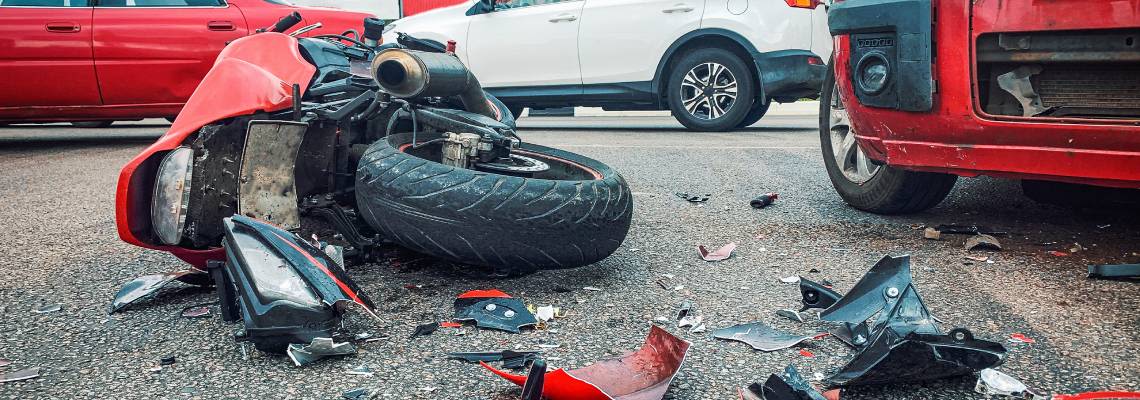
Hill Country Motorcycle Crashes: Navigating Rural Emergency Response and Medical Bills
A motorcycle crash on a rural Texas road can leave you dealing with two problems at once: delayed emergency response and fast-rising medical bills. In many cases, you may be able to seek compensation from the at-fault driver for ambulance costs, hospital treatment, follow-up care, lost income, and other losses, but the steps you take early matter, especially when the crash happens far from witnesses, trauma centers, or clear evidence.
At Tormey & McConnell, we help injured riders in Amarillo, Texas, and throughout Canyon, Dumas, Pampa, Hereford, Childress, and Borger, understand what comes next after a serious wreck. If you were hurt on a rural highway or county road, we can help you understand what evidence to preserve, how medical bills are usually handled before a case resolves, and whether another party may be legally responsible.
Rural vs. City Motorcycle Accidents
A rural motorcycle wreck is not just a city crash in a different setting. Distance changes everything. If first responders have to travel farther, cell service is weak, or you are taken first to a smaller local facility before transfer to a larger hospital, the timeline, records, and costs can look very different from a crash inside Amarillo.
Those differences can affect both your health and your injury claim. A defense insurer may later question why treatment was delayed, why you were airlifted, or why your bills are so high. In reality, rural response conditions often explain those issues. Road location, weather, limited lighting, livestock hazards, higher speeds, and fewer eyewitnesses can all matter in proving what happened and why your injuries were so severe.
What to Do After a Rural Motorcycle Wreck
Your priority is medical care and safety. Call 911, report the location as precisely as possible, and accept evaluation by EMS. On rural roads, a small gap in treatment can become a major issue later because insurers often look for reasons to argue that the injuries were not serious or were caused by something else. If you are able, try to preserve evidence early. That may include:
Photos of the motorcycle, roadway, skid marks, debris, and any visible injuries
The other driver’s name, insurance information, and vehicle details
Names and contact information for any witnesses
The location of nearby homes, businesses, intersections, or mile markers
Your riding gear, helmet, and damaged personal items
In Texas, a vehicle operator involved in a collision that results in injury or death or damage to a vehicle that cannot be normally and safely driven, must promptly report the collision by the quickest means of communication to the appropriate law enforcement agency. A law enforcement officer who investigates a collision must make a written report when the collision results in injury, death, or apparent property damage of $1,000 or more.
Who Pays the Medical Bills Before a Settlement?
One of the hardest parts of a motorcycle injury claim is that bills usually do not wait for the case to finish. A liability claim against the at-fault driver does not automatically make that driver’s insurer pay your providers as treatment happens. Instead, medical bills may be handled through the coverage or payment sources available while the claim is pending.
That can include your health insurance, Medicare, Medicaid, medical payments coverage if available, or treatment arrangements made directly with providers. In some cases, providers may assert reimbursement rights or liens later, depending on who paid and the type of claim involved. Texas law also gives hospitals certain lien rights in some situations. In practice, the bill you receive and the amount ultimately recoverable are not always the same.
This is one reason documentation matters so much. The ambulance invoice, ER records, transfer records, imaging, surgery recommendations, prescriptions, and follow-up care all help show that the treatment was tied to the crash and medically necessary.
How Texas Fault Rules Affect a Motorcycle Injury Claim
Texas follows a modified comparative fault rule. Under Texas Civil Practice and Remedies Code Section 33.001, you generally cannot recover damages if you are more than 50% responsible for the crash. If you are 50% or less responsible, your recovery is reduced by your percentage of fault.
That rule matters in motorcycle cases because riders are often blamed quickly. An insurer may argue you were speeding, lane-positioned poorly, hard to see, or partly responsible simply because you were on a motorcycle. Rural crashes can make that worse when there are fewer witnesses and less camera footage. Preserving physical evidence, documentation from the scene, and medical records early can make a real difference when fault is disputed.
Midway through a claim, many injured riders start asking broader questions about damages, liability, and proof. That is often when motorcycle accident claims become more than an insurance paperwork issue. They become a case about reconstructing what happened and connecting the crash to the full extent of your losses.
Possible Damages You Can Recover
If another party caused the wreck, compensation may include more than the first hospital bill. Depending on the facts, a claim may seek payment for:
Emergency transport, including air ambulance when medically necessary
Hospital and surgical care
Follow-up treatment, rehabilitation, and medication
Lost wages and reduced earning capacity
Motorcycle repair or replacement
Physical pain and other non-economic losses
The exact value of a case depends on the injuries, the available evidence, the insurance coverage, and whether fault is disputed. A rural crash may also involve added costs tied to transport, transfer between facilities, or specialist care outside your immediate area.
Statute of Limitations in Texas
Texas injury claims are subject to specific deadlines. In most cases, the statute of limitations for a personal injury lawsuit is two years under Texas Civil Practice and Remedies Code Section 16.003. That does not mean you should wait two years to act.
In practice, rural motorcycle cases often require early investigation and evidence preservation. Skid marks fade, vehicles get repaired or salvaged, witness memories fade or change, and electronic evidence can disappear. If a government vehicle, roadway condition, or another public entity is involved, shorter notice rules may apply. These issues can materially change the timeline, so it is worth identifying early.
Comprehensive Personal Injury Legal Services in Texas
At Tormey & McConnell, we work with injured people in Amarillo, Texas, and surrounding communities who need clear answers after serious vehicle wrecks, including motorcycle crashes on rural roads across the Panhandle. Our attorneys, Jeff Tormey and Ed McConnell, are both personal injury trial law specialists certified by the Texas Board of Legal Specialization.
We can help you evaluate fault issues, gather medical and scene evidence, deal with insurer arguments about delayed care or high treatment costs, and understand how a claim may account for both immediate bills and longer-term losses. We serve clients in Canyon, Dumas, Pampa, Hereford, Childress, and Borger.
If you want to learn more about our background and approach, contact us for a free consultation to discuss what happened and what steps may help protect your claim.