
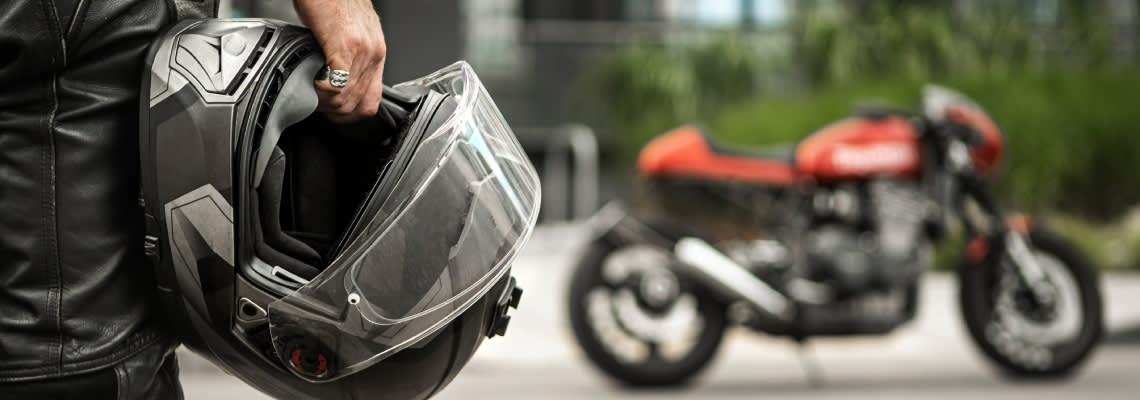
Texas Motorcycle Helmet Laws: Does Not Wearing One Ruin Your Personal Injury Claim?
No. In Texas, not wearing a motorcycle helmet does not automatically ruin your personal injury claim after a crash. You may still recover damages if another party caused the accident. But not wearing a helmet can become a major issue if the insurance company argues that it made your injuries worse, especially head or facial injuries. That can be frustrating when you already know the crash was not your fault.
At Tormey & McConnell, we help injured riders in Amarillo and surrounding communities sort through exactly that issue. Our legal team has the resources, knowledge, and experience to fight for your rights every step of the way to pursue the compensation you deserve. If you were hurt in a motorcycle accident in Amarillo, Canyon, Dumas, Pampa, Hereford, Childress, or Borger, Texas, a free consultation can help you understand how Texas law may affect your claim and what evidence matters most.
Motorcycle Helmet Laws in Texas
Texas law generally requires motorcycle riders and passengers under 21 to wear a helmet. Riders who are 21 or older may be able to ride without one, but only under the Texas Transportation Code.
That law sets two exemption paths: completing an approved motorcycle operator training course, or carrying qualifying health insurance of at least $10,000 that covers motorcycle accident injuries. Even so, whether you were legally allowed to ride without a helmet is not the same question as whether you can bring an injury claim.
A personal injury claim usually turns first on fault for the crash itself. If another driver caused the collision by speeding, turning left in front of you, drifting into your lane, or failing to yield, your lack of a helmet does not erase that driver’s responsibility.
That said, helmet use can still affect the value of a case. The key issue is often not whether you can file a claim, but whether the defense can show that some of your injuries would have been avoided or reduced if you had been wearing a helmet.
Damages Affected When Crashing Without a Helmet
Helmet use is most likely to matter when the injured rider suffered head injuries, brain injuries, skull fractures, facial fractures, eye injuries, or dental injuries.
If your injuries involve other parts of the body, the defense may have a harder time tying them to the lack of a helmet. Even in head-injury cases, the effect is not automatic. The insurer or defense may need medical evidence, expert analysis, or both to argue that a helmet would have prevented or lessened the harm.
Damages in a motorcycle injury case can include medical bills, lost income, pain and suffering, physical impairment, disfigurement, and property damage. Whether helmet use affects all of those categories depends on the facts. If a helmet argument applies at all, it may apply only to certain injuries rather than the entire case.
Legally Riding Without a Helmet & Your Case
If you were 21 or older and met Texas requirements to ride without a helmet, that may help address any suggestion that you were violating the law. But it does not necessarily stop the defense from arguing that a helmet would have reduced your injuries.
In other words, legal permission to ride without a helmet and the medical consequences of not wearing one are separate issues. A rider can be fully compliant with Texas helmet law and still face an insurance argument about injury severity.
That uncertainty can be hard to sort through because people often assume that if something was legal, it cannot be used against them in a claim. In practice, the case may be more nuanced than that.
Recovering Damages After a Head Injury
A head injury does not automatically bar recovery if you were not wearing a helmet. It does mean the helmet issue may become more central to the case.
The defense may argue that some or all of the head trauma could have been prevented. Your side may respond by showing the force of the crash was severe, that some injuries would have happened anyway, or that the other driver’s conduct remains the primary reason you suffered harm in the first place.
These cases often turn on specifics. The speed of impact, point of contact, type of collision, medical findings, and expert opinions can all matter. A blanket rule like “no helmet means no case” is simply not how these claims work.
How to Strengthen Your Personal Injury Claim
If you were injured in a motorcycle crash without a helmet, evidence becomes especially important. The stronger the proof on fault and injury causation, the better positioned you may be to answer defense arguments.
Helpful evidence may include:
The crash report.
Photos of the scene, vehicles, and injuries.
Witness statements.
Traffic or surveillance video.
Medical records.
Treating doctor opinions.
Expert opinions about how the crash happened.
Expert opinions about whether a helmet would or would not have changed the injuries.
Timing matters, too. As a practical matter, waiting can make it harder to gather video, locate witnesses, and document the condition of the motorcycle and roadway.
Understanding Insurance Adjuster Tactics
Insurance adjusters often look for any reason to reduce what they pay. In a motorcycle accident case, not wearing a helmet can give them an argument they may try to use early and often.
Their position may sound like this: even if their insured caused the wreck, your decision not to wear a helmet contributed to the severity of your injuries. In legal terms, that is usually an argument about damages, not necessarily about causing the crash.
This distinction matters. If a driver rear-ended you at a stoplight, your lack of a helmet probably did not cause the collision. But if you suffered a traumatic brain injury, skull fracture, or serious facial injuries, the insurer may argue that those particular harms were made worse by not wearing a helmet.
That can create a real burden after a crash because you may be dealing with medical treatment while also hearing that your compensation should be reduced. The defense still needs evidence to support that argument. It is not enough for them to simply assume that a helmet would have prevented every injury.
Comprehensive Legal Guidance After an Injury in Texas
Our attorneys bring a combined 70 years of hands-on trial experience to personal injury cases, including motorcycle accidents. We help injured riders understand how fault, injury evidence, and helmet-related arguments may affect a claim under Texas law.
If you are recovering from a crash, you may be trying to keep up with treatment, missed work, and repeated calls from insurance adjusters. We can help you evaluate the insurer’s position, identify what medical and accident evidence may matter most, and decide what steps to take next.
We represent clients throughout Amarillo and the surrounding areas, including Canyon, Dumas, Pampa, Hereford, Childress, and Borger. If questions about helmet use are complicating your case, we can explain what issues are likely to matter and what arguments may not.
To learn more about our team and approach to Amarillo motorcycle accident representation, contact us for a free consultation.